
-
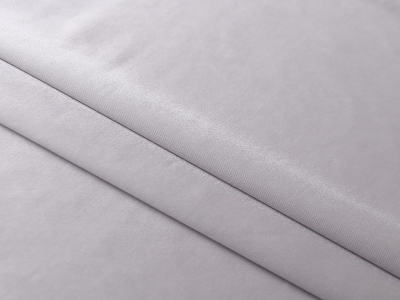
Wholesale Dancewear Fabric: How to Choose 4-Way Stretch Knits
Learn how to source 4-way stretch fabric for leotards, dance costumes and team uniforms, from choosing the base knit to ordering sample yardage.
-
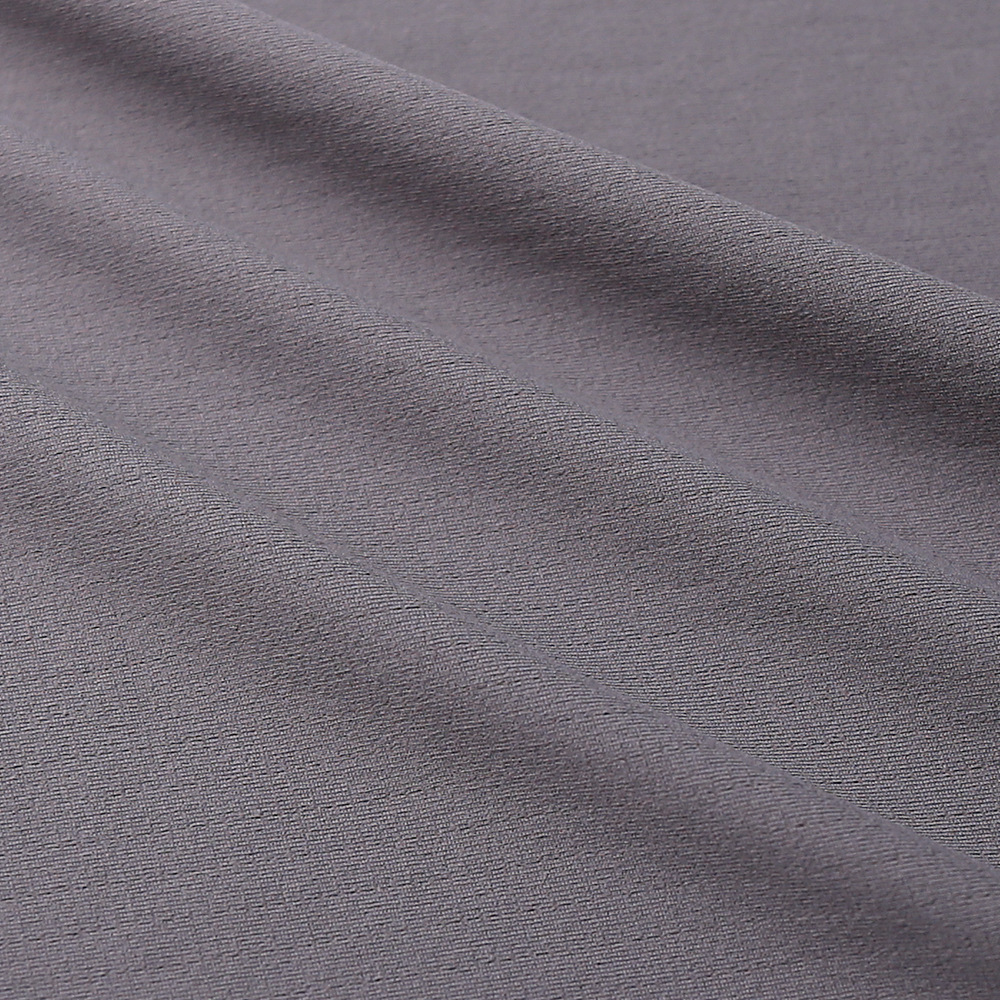
Quick-Dry Running Shirt Fabric: Polyester Mesh vs. Jersey
Compare polyester mesh and performance jersey for running shirts. Learn what to check for airflow, drying, print quality and wholesale orders.
-
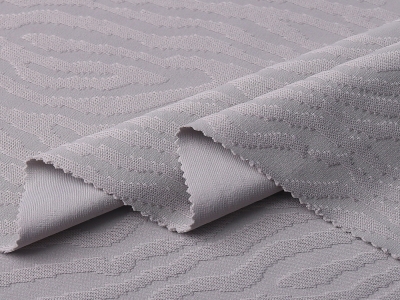
How to Choose Jacquard Knit Fabric for Swimwear
Learn how to choose jacquard swimwear fabric by checking pattern scale, stretch, wet coverage and lining compatibility before bulk production.
-
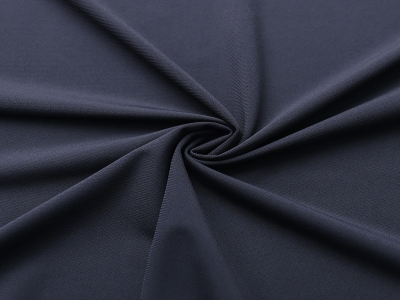
How to Approve Fabric Lab Dips Before Bulk Dyeing
Learn how to review fabric lab dips, compare shades under different lighting, and check bulk dye lots before cutting activewear.
-
Wholesale Dancewear Fabric: How to Choose 4-Way Stretch Knits
IntroductionA dance costume can fit perfectly at a standing fitting and still pull at the shoulders when the dancer raises both arms. The problem may be the body fabric, a stiff lining or a decorative panel that does not stretch as far as the rest of the garment.When buying wholesale dancewear fabric, start with what the garment has to do in motion. Then choose the base knit, mesh and decorative fabrics as a set, rather than approving each one separately.What Is t
-
Quick-Dry Running Shirt Fabric: Polyester Mesh vs. Jersey
IntroductionA race singlet and a team running T-shirt may both need quick-dry sportswear fabric, but they do not have to use the same knit. A lightweight polyester mesh is worth sampling when airflow comes first. A smooth performance jersey may be a better starting point when coverage, a clean surface or sharp logo detail matters.For apparel brands sourcing running shirt fabric in bulk, the choice is often about where to use each material. A smooth front panel and
-
How to Choose Jacquard Knit Fabric for Swimwear
IntroductionA raised floral pattern can look striking on a fabric swatch and disappear into the seams of a small bikini top. The same pattern may work beautifully across the front of a one-piece. When sourcing jacquard knit fabric for swimwear, the first question is where the pattern will sit on the finished garment.Once the design works at garment scale, check how the fabric behaves under stretch, when wet and when sewn with the intended lining.What Is Jacquard K
-
How to Approve Fabric Lab Dips Before Bulk Dyeing
IntroductionA sage-green sports bra and a pair of leggings can look like a perfect match in the sample room, then look noticeably different under store lighting. If the two pieces use different fabrics, approving each swatch on its own can miss the problem.A fabric lab dip gives brands a chance to settle on a shade before bulk dyeing. For a matching set, the approval process should also answer two practical questions: Do the components look right together, and can
-
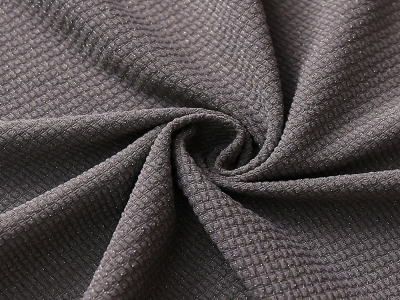
What Causes Fabric Spirality and Twisted Seams in Knitwear?
IntroductionA knitted garment may look correct immediately after sewing but develop twisted side seams after washing.The side seam may rotate toward the front or back of the body, while hems, panels and printed designs may also appear uneven.This problem is commonly associated with fabric spirality or garment twisting.Spirality can affect T-shirts, sports tops, leggings, dresses and other knitted garments. For apparel brands, identifying the risk before bulk cutti
-
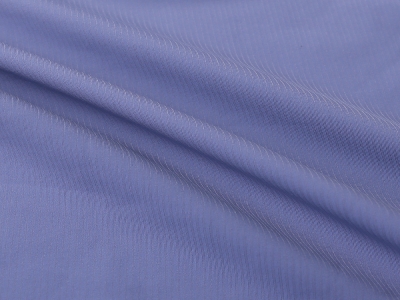
`How to Evaluate Fabric Breathability for Activewear
IntroductionBreathability is an important consideration when selecting fabric for activewear, running apparel, gym clothing and outdoor sportswear.During exercise, the body produces heat and perspiration. If clothing traps too much warm air and moisture, the wearer may feel hot, sticky and uncomfortable.However, a fabric described as breathable is not automatically suitable for every sportswear product. Breathability must be balanced with coverage, support, stretc
-
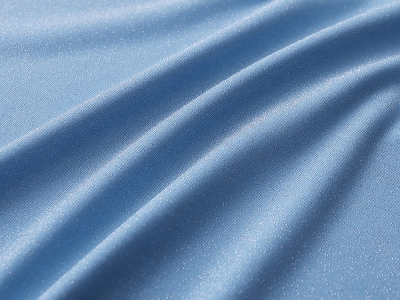
How to Choose Fabric for Sports Bras: Support, Stretch and Comfort
IntroductionSports bras require a careful balance of support, stretch and comfort.The fabric needs to move with the body while recovering sufficiently to maintain fit. It should also manage moisture, feel comfortable against the skin and perform consistently after repeated wear and washing.However, there is no single fabric suitable for every sports bra.A low-impact yoga bra, a medium-impact training bra and a high-impact running bra have different performance req
-
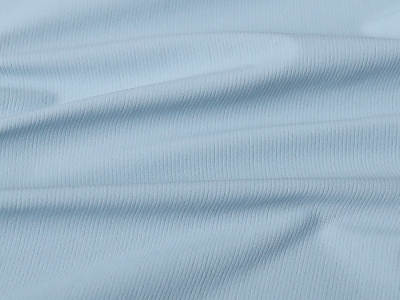
How to Evaluate Fabric Abrasion Resistance for Activewear
IntroductionActivewear fabric is repeatedly exposed to friction during exercise, washing and daily use.Leggings rub against gym equipment and other garments. Running tops come into contact with backpacks and waist belts. Cycling apparel experiences repeated movement around the seat and thighs.If the fabric does not provide suitable abrasion resistance, its surface may become rough, thin, faded or damaged before the garment reaches its expected service life.For act
-
How to Evaluate Pilling Resistance in Activewear Fabric Before Bulk Production
How to Evaluate Pilling Resistance in Activewear Fabric Before Bulk ProductionFor activewear brands, fabric appearance after repeated wear is just as important as stretch, softness and moisture management.A fabric may feel smooth and premium when first sampled, but after repeated friction, washing and daily use, small fiber balls can begin to form on the surface. This problem is known as pilling.Pilling can affect the appearance of leggings, yoga wear, sports bras
-
How to Test Fabric Opacity for Leggings and Activewear
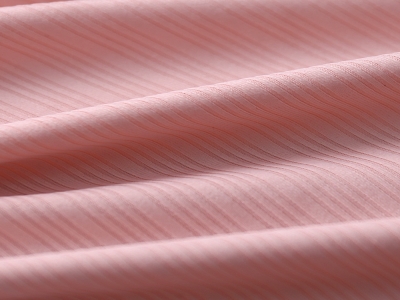
IntroductionOpacity is one of the most important performance requirements for leggings, yoga pants, fitted shorts and other close-fitting activewear.A fabric may appear completely opaque while lying flat but become transparent when stretched over the body. This can create problems during squatting, bending, running and other movements.For activewear brands and garment manufacturers, checking fabric opacity before bulk production helps reduce product complaints, re
-
How to Choose the Right Nylon Spandex Fabric for Activewear
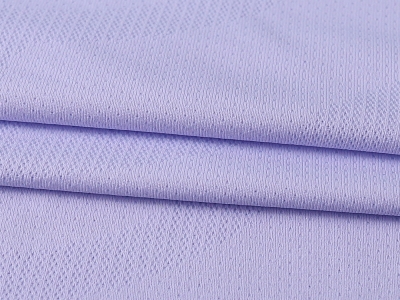
How to Choose the Right Nylon Spandex Fabric for ActivewearChoosing the right fabric is one of the most important steps in developing high-quality activewear. For yoga leggings, sports bras, gym wear, cycling clothing, and other stretch garments, nylon spandex fabric is one of the most widely used material combinations.Its popularity comes from the balance between softness, stretch, durability, and recovery. However, not all nylon spandex fabrics perform the same
-
How to Evaluate Fabric Shrinkage Before Bulk Production
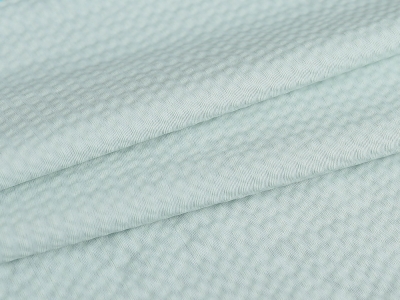
IntroductionFabric may look and feel suitable when it arrives, but its dimensions can change after washing, drying, steaming or heat setting.If shrinkage is not evaluated before bulk production, the finished garments may become shorter, narrower or distorted after care. This can affect garment fit, measurement tolerances, seam appearance and customer satisfaction.For apparel brands and garment manufacturers, fabric shrinkage testing is therefore an important part
-
Fabric Color Fastness Explained: A Guide for Apparel Buyers
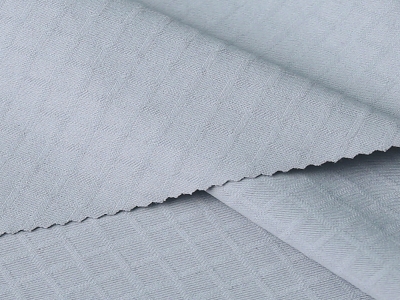
IntroductionColor is one of the first qualities customers notice when choosing clothing. However, an attractive color at the sample stage does not guarantee that it will remain stable during wearing, washing or exposure to sunlight.Poor color fastness can cause garments to fade, transfer color onto other materials or stain lighter sections of the same garment. These problems can lead to complaints, returns and damage to a brand’s reputation.For apparel buyers, col
-
How to Choose Digital Printed Shirting Fabric for Apparel Production
IntroductionDigital printing gives apparel brands greater flexibility when developing patterned shirts, blouses, dresses and fashion collections.It can reproduce detailed artwork, gradients, photographic effects and multicolor designs without using a separate printing screen for every color. This makes digital printed fabric particularly useful for collections that require design variety, faster sampling or smaller initial quantities.However, print appearance alon
-
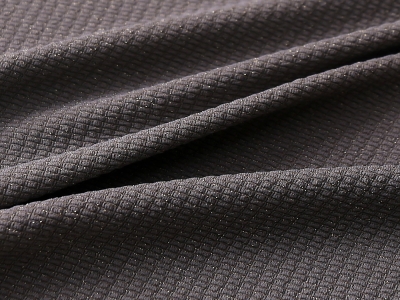
How to Choose Digital Printed Shirting Fabric for Apparel Production
IntroductionDigital printing gives apparel brands greater flexibility when developing patterned shirts, blouses, dresses and fashion collections.It can reproduce detailed artwork, gradients, photographic effects and multicolor designs without using a separate printing screen for every color. This makes digital printed fabric particularly useful for collections that require design variety, faster sampling or smaller initial quantities.However, print appearance alon
-
Metallic Lurex vs Metallic Foil Fabric: What Is the Difference?
IntroductionMetallic fabrics are widely used to create eye-catching garments for fashion collections, dancewear, performance clothing, swimwear, costumes and special events.Two common options are metallic Lurex fabric and metallic foil fabric. Both can produce a shiny appearance, but they are made using different methods and may perform differently in terms of stretch, texture, durability and care.Choosing between them requires more than comparing colors. Apparel
-
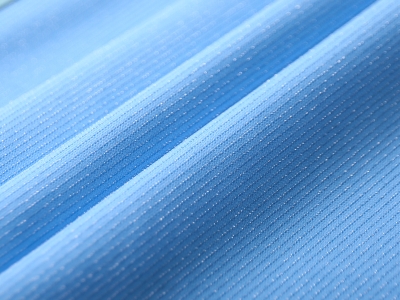
What Is Laminated Composite Fabric? A Guide for Apparel Buyers
IntroductionModern apparel often requires several performance characteristics in one material. A garment may need a comfortable outer surface, wind resistance, stretch, warmth and a soft inner layer at the same time.A single fabric structure may not provide every required property. Laminated composite fabric offers a solution by combining two or more materials into one integrated textile.However, not every laminated fabric is waterproof, breathable or suitable for
-
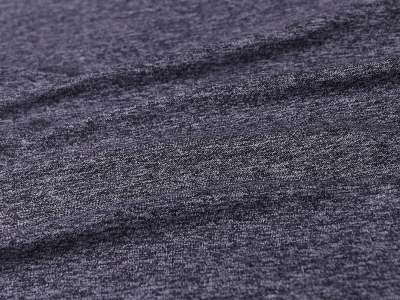
Brushed vs Non-Brushed Fabric for Activewear: How to Choose
IntroductionWhen developing activewear, choosing between brushed and non-brushed fabric can significantly affect the comfort, warmth, appearance and performance of the finished garment.Brushed fabrics are often selected for winter leggings, thermal sportswear and soft-touch yoga clothing. Non-brushed fabrics are commonly used for year-round activewear, training tops, sports bras and garments that require a smooth surface.Neither option is automatically better. The
-
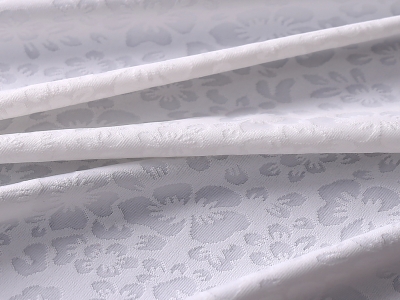
What Is Ribbed Fabric? Characteristics, Texture and Uses
IntroductionRibbed fabric is a knitted fabric known for its raised vertical lines or textured surface. Unlike a smooth knit fabric, ribbed fabric has a distinct surface texture created by its knitting structure.Because of its texture and stretch, ribbed fabric is commonly used in apparel where both appearance and fabric flexibility are important.What Does Ribbed Fabric Look Like?The most noticeable feature of ribbed fabric is its raised rib texture.The ribs usuall
-
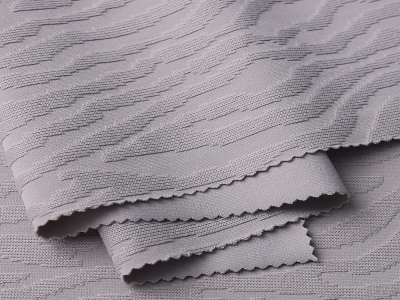
Why Is Chlorine Resistance Important for Swimwear Fabric?
IntroductionSwimwear fabric is exposed to water, stretching, sunlight, and repeated washing. For swimwear used in swimming pools, chlorine is another important factor to consider.Although chlorine helps keep swimming pools clean, repeated exposure can affect the performance and appearance of some fabrics. This is why chlorine resistance is an important consideration when choosing fabric for swimwear.What Does Chlorine Do to Swimwear Fabric?Repeated exposure to chl