
-
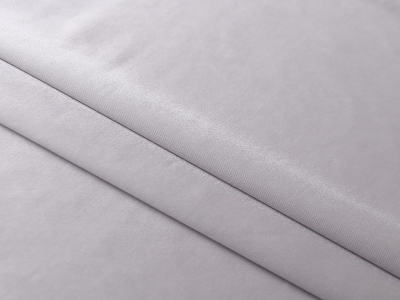
Wholesale Dancewear Fabric: How to Choose 4-Way Stretch Knits
Learn how to source 4-way stretch fabric for leotards, dance costumes and team uniforms, from choosing the base knit to ordering sample yardage.
-
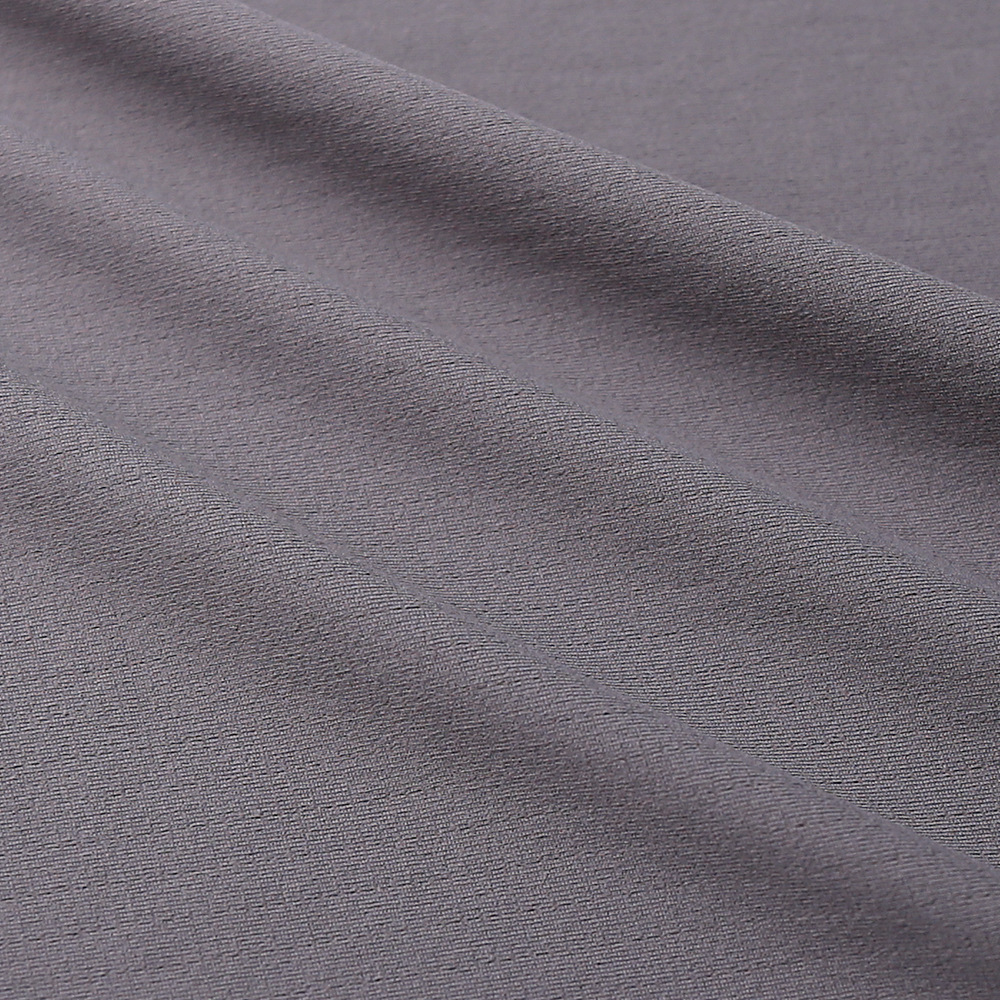
Quick-Dry Running Shirt Fabric: Polyester Mesh vs. Jersey
Compare polyester mesh and performance jersey for running shirts. Learn what to check for airflow, drying, print quality and wholesale orders.
-
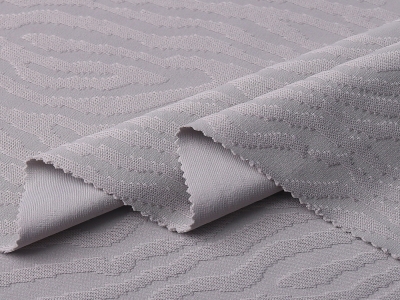
How to Choose Jacquard Knit Fabric for Swimwear
Learn how to choose jacquard swimwear fabric by checking pattern scale, stretch, wet coverage and lining compatibility before bulk production.
-
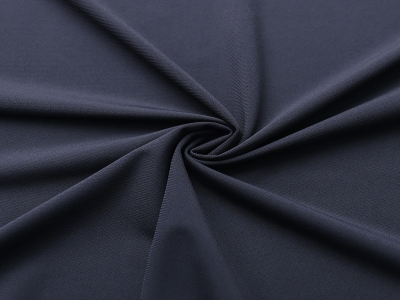
How to Approve Fabric Lab Dips Before Bulk Dyeing
Learn how to review fabric lab dips, compare shades under different lighting, and check bulk dye lots before cutting activewear.
-
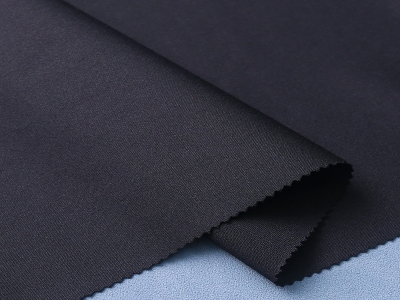
How to Test Stretch and Recovery in Activewear Fabric
IntroductionStretch is one of the most important performance characteristics of activewear fabric. It affects how comfortably a garment moves with the body, how well it maintains its shape and whether it continues to fit correctly after repeated wear.However, a fabric that stretches easily is not necessarily a high-performance fabric. It must also recover effectively after the stretching force is removed. Poor recovery can cause leggings to become loose at the kne
-
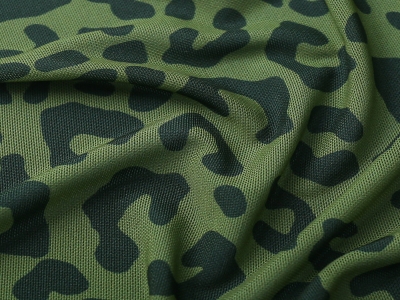
Why Is Chlorine Resistance Important for Swimwear Fabric?
IntroductionSwimwear is regularly exposed to water, stretching, sunlight, and repeated washing. For swimming pool products, there is another important factor to consider: chlorine.Chlorine is commonly used to keep swimming pools clean, but repeated exposure can affect the performance and appearance of swimwear fabrics.This is why chlorine resistance is an important property when developing durable swimwear.How Does Chlorine Affect Swimwear Fabric?Repeated exposure
-
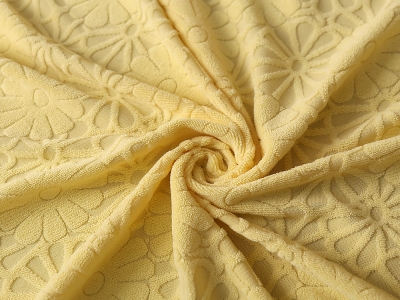
What Should You Look for in Swimwear Fabric?
IntroductionSwimwear needs to perform differently from everyday clothing. It is exposed to water, movement, sunlight, and repeated stretching, so choosing the right fabric is essential for creating comfortable and durable swimwear.For swimwear brands and apparel manufacturers, several key fabric properties should be considered before selecting a material.1. Stretch and RecoverySwimwear needs to fit closely to the body while allowing comfortable movement.A good swi
-
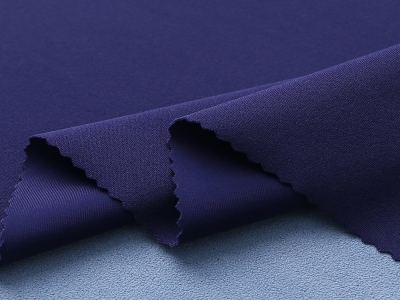
How to Choose the Right Fabric GSM for Yoga Wear and Activewear
IntroductionSelecting the right fabric is one of the most important steps in developing yoga wear, leggings, sports bras and performance apparel.Fiber composition is important, but fabric weight also has a major influence on comfort, opacity, breathability, support and garment appearance. In the textile industry, fabric weight is commonly expressed in GSM.Understanding GSM helps activewear brands compare materials more effectively and choose fabrics that match the
-
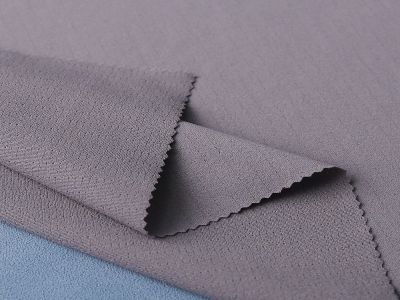
How Does Quick-Drying Fabric Work in Sportswear?
IntroductionSweat and moisture are common during sports and outdoor activities. For this reason, quick-drying fabric has become an important material for modern sportswear.Quick-drying fabrics are designed to help moisture move away from the skin and evaporate more efficiently. This can help sportswear feel lighter and more comfortable during exercise.But how does quick-drying fabric actually work?What Is Quick-Drying Fabric?Quick-drying fabric is a textile design
-
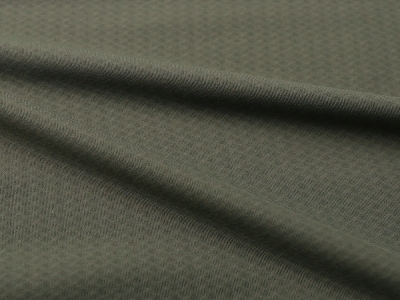
What Makes UPF 50+ Fabric Suitable for Outdoor Sportswear?
IntroductionOutdoor sportswear needs to provide more than comfort and flexibility. When clothing is worn outdoors, protection from ultraviolet (UV) radiation is also an important consideration.This is where UPF 50+ fabric can provide an advantage. Designed to help reduce UV transmission through the fabric, UPF-rated textiles are widely used in outdoor sportswear, activewear, swimwear, and other sun-protective clothing.But what does UPF 50+ actually mean, and why i
-
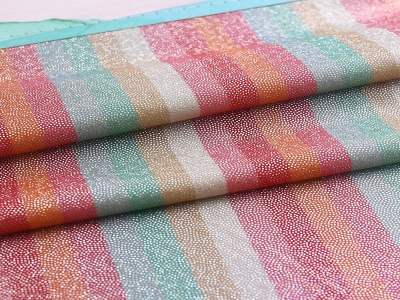
How to Choose the Right Fabric for Yoga Leggings
IntroductionYoga leggings need to provide more than just a comfortable fit. The fabric should move naturally with the body, maintain its shape, and feel comfortable during different types of movement.For activewear brands, choosing the right fabric is an important part of developing high-quality yoga leggings.So, what should you look for when selecting fabric for yoga leggings?1. Stretch and RecoveryYoga involves bending, stretching, twisting, and changing positio
-
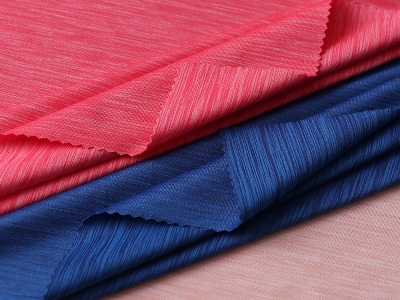
Nylon Spandex vs Polyester Spandex: Which Fabric Is Better for Sportswear?
IntroductionWhen developing high-performance sportswear, choosing the right stretch fabric is an important decision for apparel brands.Two of the most popular choices are nylon spandex fabric and polyester spandex fabric. Both fabrics offer excellent stretch and comfort, but they have different characteristics in terms of softness, durability, moisture performance, and application.Understanding the differences between nylon spandex and polyester spandex can help b
-
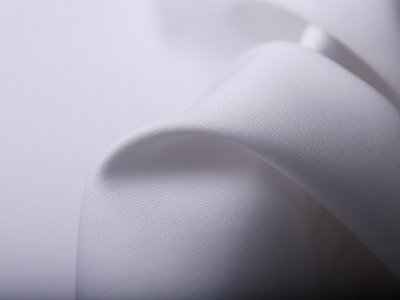
Polyester Spandex Fabric Ratios: How to Choose the Right Blend for Sportswear
IntroductionPolyester and spandex are often blended together to create sportswear fabrics that combine durability, quick-drying performance, stretch, and comfort.However, the ratio of polyester to spandex can significantly affect the final fabric performance. A higher spandex content generally provides more stretch, while a higher polyester content can offer greater durability and stability.For activewear brands, understanding fabric composition is an important st
-
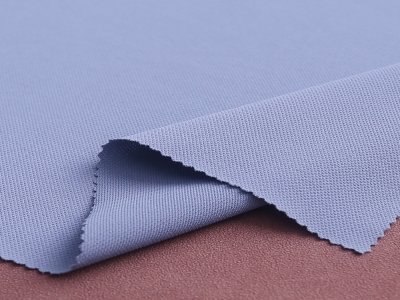
Polyester vs Spandex: Understanding Their Roles in Sportswear Fabric
IntroductionWhen choosing fabrics for sportswear, two materials are often mentioned: polyester and spandex. Both are widely used in activewear, fitness clothing, yoga wear, and performance apparel.However, polyester and spandex serve different purposes. Polyester provides durability, moisture management, and easy-care performance, while spandex offers excellent stretch and recovery.Understanding the role of each fiber helps apparel brands select the right fabric f
-
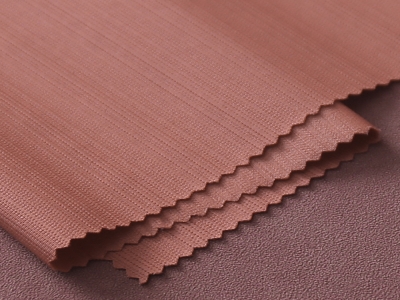
Why Functional Knit Fabrics Are Becoming the Future of Sportswear and Performance Apparel
In today’s fast-changing apparel industry, consumers are no longer satisfied with fabrics that only look good. Modern clothing needs to provide better comfort, flexibility, breathability, and performance. This is why functional knitted fabrics have become one of the most important materials for sportswear, activewear, swimwear, and everyday apparel.As a professional fabric manufacturer specializing in functional knitted fabrics, Hongjun Fabric focuses on developin
-

Advantages and disadvantages of linen fabric
Linen Fabric Advantages Super breathable, lightweight and cool, ideal for hot weather Natural eco-friendly, durable and anti-static Good heat dissipation, high wear resistance Has unique natural texture and elegant appearance Disadvantages Easy to wrinkle severely
-

Lyocell Fabric: The Ultimate Guide to Pros and Cons
As a sustainable and high-performance textile, Lyocell (often known by the brand name Tencel™) has become a favorite in the global fashion and home textile industries. For buyers and designers, understanding its specific characteristics is key to making the right material choice.Here is a comprehensive breakdown of the advantages and disadvantages of Lyocell fabric.The Advantages of Lyocell. Eco-Friendly & SustainableLyocell is often hailed as the "green fibe
-
Advantages and Disadvantages of Cotton Fabric
AdvantagesSoft and skin-friendly, comfortable to wear with gentle touch.Excellent air permeability and moisture absorption, keeps skin dry and cool.Good heat resistance, easy to wash and high temperature disinfection.Natural eco-friendly material, non-toxic and harmless.Strong dyeing performance, rich colors and not easy to fade.Durable with good tensile strength, not easy to damage.DisadvantagesEasy to wrinkle and needs frequent ironing.Prone to shrinkage after w
-
Advantages and disadvantages of polyester fabric
Polyester FabricAdvantagesHigh strength, wear-resistant and durableWrinkle-resistant, shape-retaining, no need ironingQuick-drying, easy to clean and maintainLow shrinkage, stable size, rich colorsDisadvantagesPoor air permeability and moisture absorptionEasy to generate static electricity and pillingNot skin-friendly, stuffy to wear in summerHard texture, lack of natural softness